What we've learned from working on both sides of the grant process
Talk to enough community organizations and funders, and you keep running into some version of the same question: We found the funding. Now how do we actually make it work?
At Group 36, that question comes up in specific, real ways almost every week.
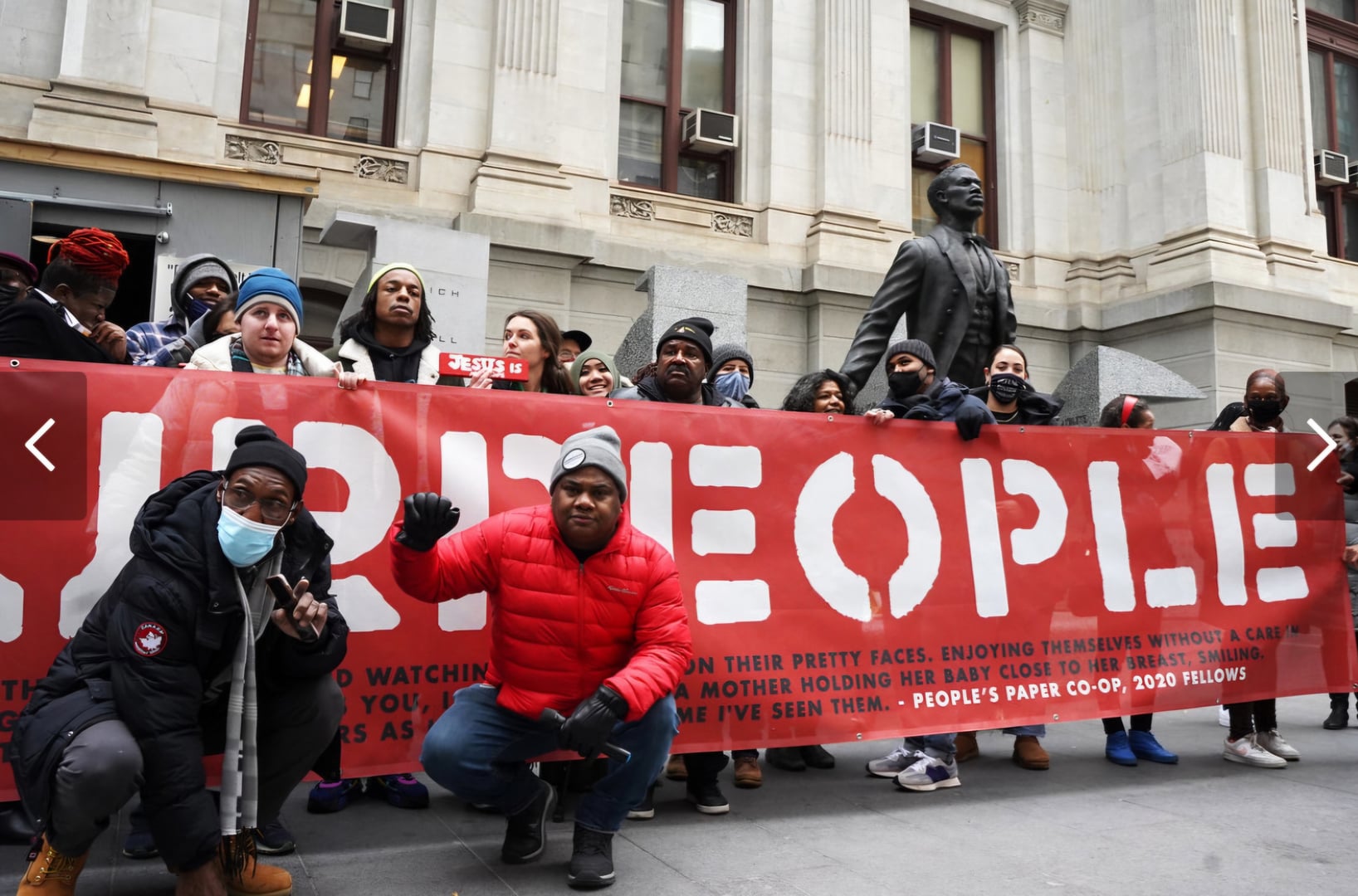
Take Frontline Dads. It turns lived experience into leadership, empowering African American men and at-risk youth across Philadelphia to lead in their own families and communities. The organization is built on a simple belief: the people closest to a problem are also closest to its solution. Frontline Dads works across Philadelphia's violence-prevention and community-support ecosystem, and Group 36 serves as its fiscal sponsor.
Then there's Could Be Pretty Cool, a Certified B Corp based in Atlanta. It works with independent creators through podcasting programs, creator-growth support, and Pretty Cool Data, its research effort for the broader creator community. Through Group 36, donors can support scholarships that make those programs more accessible to people who might otherwise be priced out.
Two organizations. Two completely different worlds. Underneath both sits the same question: who receives this money, and how do you make sure it stays accountable once it arrives?
That part rarely makes the announcement.
It's also where we spend a lot of our time.
Say your organization finds a grant that fits its work almost perfectly.
The program is ready. The need is obvious. The application deadline is three weeks out.
Then the practical questions start.
Can you apply on your own, or do you need a fiscal sponsor? Who signs the agreement? Who actually receives the funds? How does restricted money get tracked? Who handles the reporting once the grant comes through?
Those questions can decide whether you can pursue the opportunity at all.
Philadelphia's current public-safety grant cycle is a good example of why. The City's Office of Public Safety has opened its 2027 round, with $25 million available across four programs and awards ranging from $10,000 to $1 million. Eligible applicants include individuals, nonprofits, fiscally sponsored organizations, LLCs, S Corps, and B Corps.
The $50,000 mark matters, too. Larger awards come with additional organizational eligibility requirements, so applicants that do not meet those requirements on their own may need to work through a fiscal sponsor.
That broad eligibility matters. Important community work does not always come packaged inside a conventional nonprofit.
Frontline Dads is already part of Philadelphia's violence-prevention ecosystem and has received City support for its community-based anti-violence work. It is a useful example of the kind of grassroots organization public funding is designed to reach.
But the same structural question shows up everywhere, not just in Philadelphia and not just around public safety.
Could Be Pretty Cool ran into its own version of it. The organization is a Public Benefit Corporation, while some of the work it wants donors and funders to support has a charitable purpose. Fiscal sponsorship provides a structure through which qualifying charitable work can receive support while Group 36 retains the oversight and fiduciary responsibility that come with charitable funds.
That's the role we play. As fiscal sponsor, Group 36 retains control and fiduciary responsibility for charitable funds. We review and approve disbursements against the charitable purpose and applicable budget, track restrictions, maintain the financial documentation, and support the reporting required under the engagement.
The organization keeps doing the work that got the funder's attention in the first place.
And a grant deadline is a bad time to discover that the program is ready, but the structure around it isn't.
Say a program instructor sends over an invoice for a workshop they just ran.
Someone has to check it against the approved budget. Confirm that it fits the charitable purpose and the applicable grant terms. Approve the payment. Process it in a way that leaves a clear record. Keep the documentation ready for the next financial report or compliance review.
Multiply that across a full program year, and it adds up to real, ongoing work.
That's what fiscal sponsorship looks like in practice. Program staff run the work and provide the information and documentation needed to support it. Group 36 provides the financial oversight around the charitable funds, including review of payment requests, restriction tracking, disbursement records, and financial reporting support.
For a small team, that can be the difference between spending the week chasing paperwork and spending it with the people the program actually serves.
Imagine you're not applying for one grant. You're managing fifty of them. Or a hundred.
The applications are reviewed. The organizations are selected. Everyone is celebrating.
Then a different kind of work begins.
Every award comes with its own agreement, budget, restrictions, and deadlines. Someone has to know what's been paid, what's left, whether an expense fits the approved purpose, and which reports are still outstanding.
We know this side too. Group 36 has years of experience administering multi-project grant portfolios, providing financial oversight, structured disbursement, documentation, monitoring, reporting, and compliance support after awards are made.
Most of that work never makes an announcement. It's tracking restrictions, monitoring compliance, following up on documentation, and producing the information a funder needs to understand what is happening across the portfolio.
Not every funder wants to build that capacity in-house, and not every program needs it permanently. When a program is new, unusually large, or just administratively heavy, bringing in someone who already has the systems can be the more practical call.
The organization trying to access funding and the funder trying to give it away responsibly can look like they're solving two different problems.
In practice, they meet in the middle.
Working with organizations like Frontline Dads and Could Be Pretty Cool shows us what that looks like from the applicant's side: what it takes to turn a strong program into something that can actually receive and manage charitable funding responsibly.
Working with funders shows us the other side of the same coin: what it takes to keep a whole portfolio accountable once the awards go out.
A strong community organization shouldn't lose a funding opportunity because nobody thought about the structure early enough.
And a well-run grant program shouldn't get overwhelmed six months in because nobody planned for what happens after the announcement.
Found a grant and not sure whether fiscal sponsorship could help? Send us the opportunity and a short description of your project, or apply for fiscal sponsorship through Group 36.
Running a grant program and need help administering it? Tell us about the program, the number of awards, and the timeline. We'll talk through what Group 36 could take on.
Group 36 | The Grant Experts